CPA - Guidelines for Vessel Entry at Chittagong Port
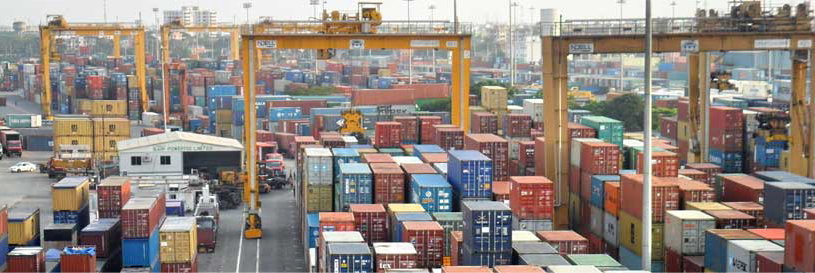
Chattogram Port (CPA) serves as the maritime gateway to Bangladesh — handling over 90% of the country’s export-import trade. Due to its tidal nature and limited navigation space, vessel entry and movement are governed by detailed protocols.
This guide provides updated and essential information for shipowners, charterers, masters, and agents for safely anchoring, lightering, and berthing at Chittagong Port.
Maximum Draft: 9.50 meters
Maximum LOA (Length Overall):
Daytime: Up to 190.00 meters
Nighttime: Up to 170.00 meters
Jetty-wise Draft Limits:
Jetty No. 2–4: Max 7.50 meters
Jetty No. 5–13: Max 8.55 meters
Anchor clear of other vessels; maintain under-keel clearance >2 meters
Strong tides up to 6–7 knots/hour during monsoon or spring tide
Use additional chain and have engine on standby
Limit number of lighter vessels alongside
Maintain anti-theft watch and assign watchmen onboard
Never cross another vessel’s bow at close range
Shift lightered vessels from Alpha to Bravo/Charlie anchorage to free space
Do not rely solely on ECDIS; cross-check with paper charts
Minimum 12 ropes (including polypropylene) required for berthing
Keep stern trim of 0.20m for optimal channel navigation
Avoid loose gear/mooring ropes on deck while at anchor
Jetties 2–13:
LOA up to 170.00m (10 knots min speed)
LOA 170–190.00m (12 knots min speed), draft ≤8.55m
Other Berths:
NCT, DOJ, CUFLJ, KAFCO, GSJ: LOA ≤190.00m
NCT-5: LOA ≤170.00m, draft 0.50m below daily limit
DOJ-4: LOA ≤160.00m, draft ≤9.50m
RM/8, RM/9, RM/10: Max LOAs 186m/186m/145m, with respective draft limits
TSP:
LOA ≤143.40m, draft 8.25m
LOA 143.40–175.25m, draft 7.90m
Dry Dock Jetty: LOA ≤190.00m, draft ≤7.50m
Inward Ships:
Must arrive at pilot ground ≥3 hours before daylight high water
Priority vessels (RORO/Export) must arrive ≥6 hours before HW
Outward Ships:
Light draft: Depart with first daylight flood
Max draft: Depart ~2 hours before high water
General Movement: Starts 4–5 hours before high tide
Vessel movement depends on berth, draft, daylight, & tide
Prior consultation with Harbor Master (24 hrs in advance) is essential
Declare accurate freshwater draft before harbor entry
Maintain full engine & deck machinery power
Display signal letters during entry/exit
Use 12 certified mooring lines (6 forward, 6 aft)
Install rat guards on mooring lines
Ensure visibility of draft marks at all times
Strictly avoid excessive smoke, water discharge on jetty, or vessel listing
Emergency tug signal: Four prolonged blasts
CPA operates VTMIS (Vessel Traffic Management & Information System) 24/7
VHF watch on Channel 12 (156.6 MHz) and Channel 16 (156.8 MHz)
Radio watch on 2182 kHz also maintained
Night Navigation:
Permitted for LOA ≤170.00m, draft ≤0.50m below daily limit
No night operations for vessels with bridge on bow or obstructed forward view
Height Restrictions:
Max mast height = 52 meters (due to overhead cables at Jetties 2–13)
CAR CARRIER/Passenger/RORO vessels must comply with height and wind limits
Demolition Vessels: Anchor at designated scrap anchorage (North of Alpha)
Prantik Group, a leading port service provider in Bangladesh, offers dependable support for vessel lightering, anchorage coordination, crew transfer, and logistics at Chattogram Port.
Avoid crossing other vessels’ bows in the outer anchorage
Use 9 shackles of chain for draft >8.0m or for lightering
Anchor only at CPA-approved positions with proper clearance
Follow COLREGs (1972) + 2002 amendments strictly
Use of pilot ladders must meet IMO standards
CPA reserves right to deny entry for misdeclarations or unsafe conditions
Summary
The Chittagong Port Authority (CPA) has implemented detailed protocols for safe, efficient, and secure vessel handling within its jurisdiction. Understanding and complying with these operational and navigational guidelines ensures smooth port entry, reduces maritime risk, and promotes safer trade.
For updated movement schedules, tide data, and vessel planning assistance — agents and shipmasters should always consult the CPA Deputy Conservator’s office ahead of time.











Copyright © 2026 Prantik | All Rights Reserved